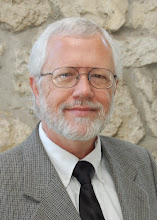
The day is even more American than July 4, says rabbi-journalist Marc Gellman.
"On Thanksgiving we have it all: football and the Macy's parade, family gatherings combined with an atmosphere of civic virtue that effortlessly morph
 s into secular thankfulness for the nonreligious and thankfulness to God for the pious among us," his 2007 article in Newsweek says. "Thanksgiving Day embraces us all."
Mary Fairchild of About.com has a fairly crisp report on the purpose and origins of the day, with some interesting trivia thrown in. Example: Seven other nations -- Argentina, Brazil, Canada, Japan, Korea, Liberia, and Switzerland -- have their own Thanksgiving days.
The Pilgrim Hall Museum in modern Plymouth, Mass., has valuable information on the Pilgrims and how their faith affected their Thanksgiving observance. Among the museum's religious treasures is the Bible of Pilgrim leader William Bradford (shown below).
More info is at Plimouth Plantation, a reconstruction of the 17th century Pilgrim settlement. Its Web site has historical background on Thanksgiving, both on the Christian settlers' side and that of the native Wampanoag tribe. But it also questions how religious the 1621 harvest festival was.
Interfaith services are a large and growing Thanksgiv
 ing tradition, when people of various religious gather to voice gratitude together.
Here are some suggestions for planning an interfaith Thanksgiving service, from an official of the United Methodist Church.
Some tips: Talk with other faith communities on the meaning of giving thanks; discuss the look of the venue; plan food and drink afterward, so people can mix. The nice thing is that the plans also work for other occasions besides Thanksgiving.
Not that the spiritual facet is unchallenged. Even a year ago, Slate magazine carried a report on a cultural war brewing around Thanksgiving, something like that over religious themes in Christmas. Writer Andrew Santella wrote in somewhat snarky terms about the religious right alarmists who wanted to make everyone thank the same God as they did.
But Santella ultimately lands on the side of thankfulness: "Do we really have to choose between the extremes of calling Thanksgiving a religious holiday or a civic celebration? Can't we assume that the holiday has evolved as some more subtle mix of the secular and the spiritual, one that each of us can adjust according to our own values?"
Quite a lot to digest with our turkey and pumpkin pie.